
All About Handball At The 2024 Olympics
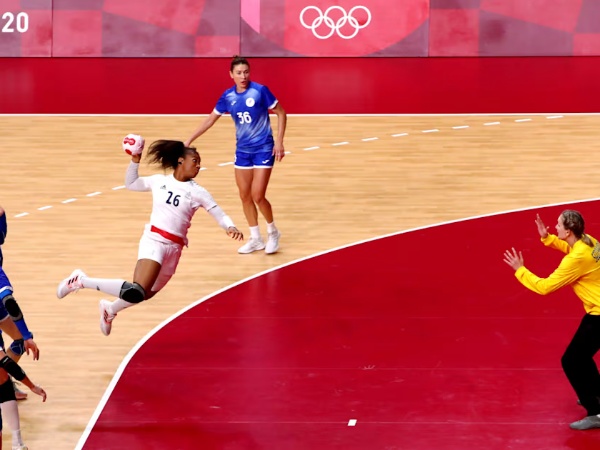
Handball emerged in the late 19th century in Scandinavia and Germany, coinciding with the growing popularity of field handball. Initially introduced by G. Wallström to Sweden in 1910, the sport developed two distinct versions. Field handball and its indoor counterpart coexisted until 1966, when indoor handball started supplanting its outdoor predecessor. This transition marked a significant evolution in the sport, favoring the faster-paced and more controlled environment of indoor play. The shift from field to indoor handball reflected broader trends in sports, emphasizing spectator appeal, player safety, and standardized rules. By consolidating the sport into a single indoor format, handball underwent a transformation that facilitated its spread globally and solidified its status as a major team sport. The history of handball underscores its adaptive nature and the dynamic interplay between tradition and innovation in shaping modern sporting competitions.
Modern handball is played indoors on a court measuring 40 meters in length and 20 meters in width, with each team comprising seven players. The game allows players to take up to three steps without dribbling and hold the ball for a maximum of three seconds. Matches consist of two 30-minute halves, and the team scoring the most goals wins. Both men's and women's tournaments at the Olympic Games feature twelve competing teams.
Handball is known for its physicality, where players engage in body contact during both offensive and defensive maneuvers. This aspect adds a demanding and robust dimension to the sport, requiring athletes to possess endurance and strength. Offensive strategies are emphasized, with rules against passive play encouraging continuous action and innovation on the court. Beyond physical attributes, handball demands tactical awareness, teamwork, and adaptability from its players, who seamlessly switch between attacking and defensive roles throughout the game.
Field handball debuted at the Berlin 1936 Olympics and was featured as a demonstration sport at the Helsinki 1952 Games. However, it was the indoor version that gained formal inclusion in the Olympic program two decades later, starting at the Munich 1972 Games. This transition marked a significant milestone for indoor handball, cementing its status as a recognized Olympic sport. The women's competition made its inaugural appearance at the Montreal 1976 Olympics, expanding the Olympic handball program to include female athletes. This addition reflected the growing popularity and inclusivity of the sport on the international stage.
The evolution of handball in the Olympics underscores its journey from a demonstration sport to a fully-fledged event, highlighting the sport's ability to adapt and thrive within the Olympic movement. Today, both men's and women's handball tournaments continue to captivate audiences with their fast-paced action, strategic depth, and intense competition, further solidifying handball's place as a prominent fixture in the Olympic Games.