
Mithali Raj speaks about the early days of Indian Women’s cricket
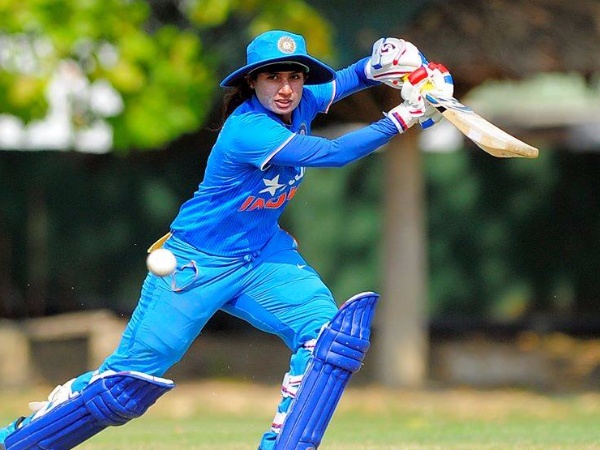
Former Indian women’s cricket team captain Mithali Raj recently shed light on the tough and often overlooked journey of women’s cricket in India, offering a powerful reflection on how far the sport has come. In a candid interview, Raj spoke about the struggles she and her teammates endured during the early days—an era where playing for the country meant passion over pay, and recognition was a rare luxury. She recalled the harsh realities of travelling in general compartments on long train journeys, with no central contracts or proper facilities in place. Match fees were minimal or non-existent, and there was little to no financial support from the cricketing authorities.
Basic necessities were often hard to come by, and the players relied heavily on personal sacrifices and unwavering commitment to keep going. Despite these hardships, Raj believes the journey was worth it, as it paved the way for the growth of women’s cricket in India. Her story underscores the immense progress the sport has made—culminating in better infrastructure, growing fan support, and the significant milestone of pay parity. Raj’s reflections are not just about struggle but also about the resilience that redefined Indian women’s cricket for generations to come.
“We didn’t get match fees because there was hardly any money in the sport. Even the associations didn’t have funds, so what could the players expect?” stated former Indian skipper Mithali Raj.
The challenges faced by the Indian women’s cricket team were glaringly evident after their impressive runner-up finish in the 2005 Women’s Cricket World Cup. Despite making it to the final, each player received just ₹1,000 per match, totaling a meager ₹8,000 for the entire eight-game campaign. Mithali Raj highlighted this moment as a reflection of how undervalued women’s cricket was at the time. There was little financial recognition, even for world-class performances on the global stage. It wasn’t until much later that the Board of Control for Cricket in India (BCCI) introduced annual contracts for women cricketers, marking a significant but overdue step toward acknowledging their contributions and improving their professional conditions.
The landscape of Indian women’s cricket began to shift dramatically when the Board of Control for Cricket in India officially brought the women’s game under its governance. This pivotal move marked the beginning of a slow but steady transformation in the financial and professional conditions of female cricketers in India. Initially, payments were made on a per-series basis, which gradually evolved into per-match compensation—ushering in the early signs of increased professionalism within the sport.
In the years that followed, the BCCI rolled out a series of progressive measures aimed at narrowing the gender gap in Indian cricket. A major breakthrough came with the introduction of central contracts for women players, providing them with financial security and a formal structure. The board also began aligning facilities, training support, and rewards with those provided to the men’s team. One of the most historic milestones came with the announcement of equal match fees: ₹15 lakh for Tests, ₹6 lakh for ODIs, and ₹3 lakh for T20Is—ensuring men and women are now paid equally for representing India on the field.
This evolution was reinforced by the women’s team’s rising performances on the global stage. Their second-place finish in the 2017 ICC Women’s World Cup significantly boosted their visibility and led to greater rewards. The BCCI awarded ₹50 lakh to each player, while several state governments also announced cash prizes. Mithali Raj, who led India during that memorable campaign, credited this new era of recognition and reward to the BCCI’s decision to fully support and promote women’s cricket.