
Irfan Pathan vs Hardik Pandya: The rivalry is out in the open
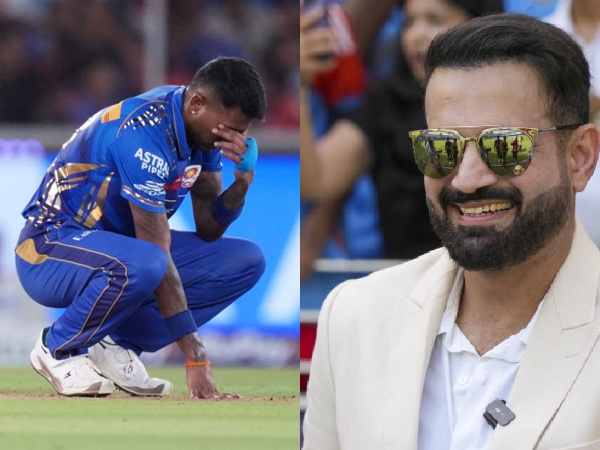
Former India all-rounder Irfan Pathan has finally addressed the ongoing speculation surrounding his unexpected exit from the IPL 2025 broadcast panel. In a candid interview with The Lallantop, Pathan shed light on what could have led to his removal, subtly indicating that his straightforward analysis and criticism during the tournament may not have been well-received by all involved. While he did not name anyone directly, it is widely believed that his honest assessment of Hardik Pandya’s captaincy during his debut season as Mumbai Indians skipper may have played a part. That season saw intense media attention and mixed reactions from fans and experts alike, with Pathan being one of the few commentators who openly pointed out the flaws in strategy and leadership decisions.
Irfan Pathan makes bold comments regarding his rivalry with Hardik Pandya
As a former cricketer turned broadcaster, Irfan Pathan has consistently maintained a reputation for calling matches as he sees them, without mincing words. His exit from the commentary team has now raised concerns among fans about the lack of space for unbiased critique in the broadcasting ecosystem. His comments have reignited conversations about whether constructive criticism is truly welcomed in Indian cricket media or if there's growing pressure to toe the line when it comes to player-led franchises and popular figures.
“If I'm criticising you in 7 matches out of 14, I'm still being lenient. That is our job as broadcasters,” stated former Indian cricketer Irfan Pathan.
For former India all-rounder Irfan Pathan, constructive analysis has always been an essential part of his role as a commentator. He firmly denied any claims of personal bias or grudges, clarifying that his observations were purely professional and based on on-field performances. Pathan also highlighted his long-standing support for players from Baroda, his home state, including Hardik Pandya. He emphasized that his criticism, if any, was never personal but aimed at helping the team improve. Despite the recent controversy surrounding his exit from the IPL 2025 commentary panel, Pathan maintained that honest, analytical feedback should be encouraged in cricket discussions rather than being viewed as an attack on individuals or teams.
“There is no rivalry. All the Baroda players who have come after me, Deepak Hooda, Krunal Pandya or Hardik Pandya, none of them can say that Irfan-Yusuf did not help them,” revealed Irfan.
Former Indian fast-bowling all-rounder Irfan Pathan reflected on a significant moment from over a decade ago, which highlighted his early support for Hardik Pandya. Back in 2012, when Hardik was still an emerging talent from Baroda, Pathan had tried to help the youngster break into professional cricket by recommending him to the Sunrisers Hyderabad franchise ahead of the IPL season. Recognising Hardik’s potential as a promising seam-bowling all-rounder, Pathan hoped the opportunity would give him the exposure he needed.
However, despite his recommendation, the move didn’t materialize, and the opportunity slipped through. The story serves as a reminder of Pathan’s genuine efforts to back young talent, especially from his home state. It also sheds light on his professional relationship with Hardik Pandya, countering recent narratives that suggest personal bias or friction between the two.
“VVS Laxman admitted on Star Sports, that he was at fault for not listening to me, and not picking Hardik in 2012. If he had picked him then, Hardik would have played for Hyderabad,” Pathan added.
Irfan Pathan also recalled moments when he had openly defended Hardik Pandya in the public domain. One notable instance was during the 2024 IPL season, when Hardik faced heavy backlash from Mumbai Indians fans after being appointed captain in place of Rohit Sharma which was a massive cricket update. The decision sparked controversy and led to hostile crowd reactions toward Pandya. Pathan, despite being a commentator at the time, stood up for Hardik amidst the criticism, urging fans to separate emotions from cricketing decisions. He emphasised that his commentary has always been focused on performance, strategy, and the game itself—never on personal agendas or individual biases.