
India vs West Indies: Shubman Gill, Gautam Gambhir under fire for follow-on decision
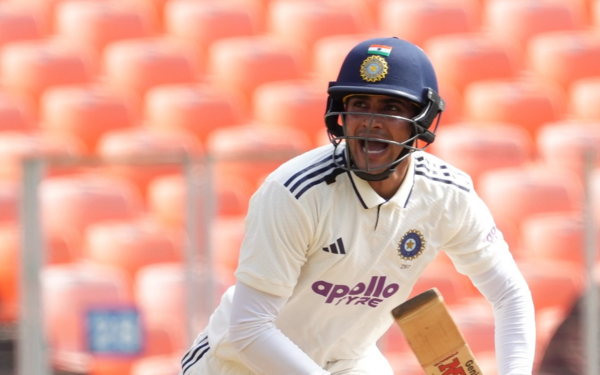
The second and final Test match against West Indies has been pushed to Day 5 in Delhi. At first, the India vs West Indies fixture appeared destined to be another swift affair, much like the opener in Ahmedabad. However, the hosts, led by young Shubman Gill, playing his maiden home series as India’s Test captain, made the bold call to enforce the follow-on on the Windies. The move, seemingly made under the guidance of India head coach Gautam Gambhir, backfired as Shai Hope and John Campbell struck respective centuries to erase the deficit on Day 4 of the Delhi Test.
Scrutiny grows on Shubman Gill and Gautam Gambhir as vistors stage fightback in final India vs West Indies Test
The 177-run stand between John Campbell and Shai Hope made India's call to enforce the follow-on look rather audacious. The unexpected display of grit with the bat by the visitors in the India vs West Indies Test has drawn scrutiny toward the Indian leadership duo of captain Shubman Gill and head coach Gautam Gambhir. During the second session on Day 4, West Indies managed to overtake India’s total with seven wickets still in hand, a show of determination few anticipated from the Caribbean side.
This marked the first instance since 2012, when India hosted England in Ahmedabad, that the team enforcing a follow-on at home was asked to bat again. Since that match, India had either won by an innings or drawn due to weather, never finding themselves in this situation. Earlier, India had declared at 518 for 5 on a largely docile Delhi track that offered scant help for the bowlers. In contrast, during the series opener in Ahmedabad, India had declared on 448 and bundled out West Indies for 162 to win by an innings and 140 runs.
In the Delhi Test, India’s innings was built around a fluent, unbeaten 129 from skipper Shubman Gill and a commanding century from Yashasvi Jaiswal. Despite lower-order batters Ravindra Jadeja and Washington Sundar yet to take strike, the management believed the total was sufficient to dominate proceedings in the final India vs West Indies Test.
India’s bowling unit had looked formidable in the first innings, with Kuldeep Yadav grabbing a five-wicket haul and Jadeja chipping in with three. Jasprit Bumrah and Mohammed Siraj claimed a wicket apiece, ensuring India held a strong 270-run lead when they enforced the follow-on late on Day 3. The decision seemed justified early in the Windies’ second innings when openers Tagenarine Chanderpaul and Alick Athanaze fell cheaply.
However, what followed shifted the momentum with John Campbell and Shai Hope forging a resilient 177-run stand, extending the contest into Day 4. Bumrah bowled probing spells but couldn’t break through as it was Jadeja who finally ended the partnership, trapping Campbell lbw. Hope, however, kept the West Indies fight alive, guiding the team to within 20 runs of India’s total before lunch on Day 4.
Interestingly, India’s assistant coach Ryan Ten Doeschate revealed after the end of Day 3 that the team management had debated whether to enforce the follow-on or bat again. The Caribbean pair of Campbell and Hope later negotiated India’s spinners with ease, reaching their respective fifties and putting the hosts under pressure.
"Yeah, there was a discussion to bat, obviously. Those last two wickets took a little bit longer than we would have hoped for, and it probably started going towards the fact where you do look to bat again, but we felt 275 was a good lead," Ten Doeschate had said.
The decision has since sparked criticism from fans and pundits alike. Many questioned India’s call to enforce the follow-on, especially after their bowlers had already toiled through 81.5 overs on a surface that offered little movement or turn. Others argued that declaring at 518 was premature, suggesting India should have batted longer to completely shut West Indies out of the game.
With Indian pacers Bumrah and Siraj made to bowl over 90 overs across both innings, workload management has also become a talking point. As a result, skipper Shubman Gill and coach Gautam Gambhir are facing increasing criticism for the strategic gamble, prompting speculation that India may think twice before enforcing the follow-on in future home Tests.