
IND vs SA: Mohammed Shami deserves to be part of the India squad?
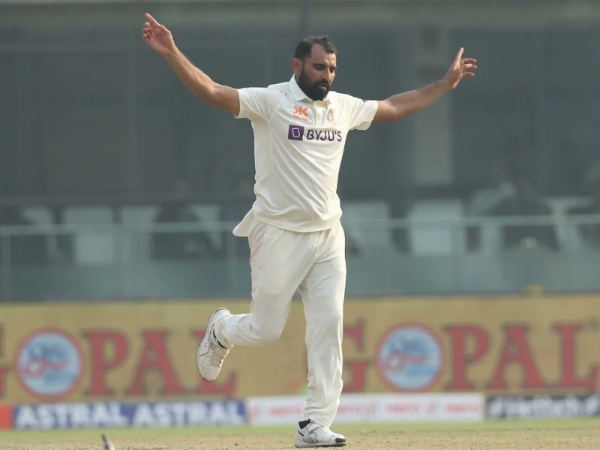
Manoj Tiwary recently raised concerns about the Board of Control for Cricket in India (BCCI) selectors and their communication practices, particularly regarding senior pacer Mohammed Shami. Despite finishing as the joint-highest wicket-taker for India in their triumphant 2025 Champions Trophy campaign, Shami has not been included in any national squad since. Tiwary questioned why a bowler of Shami’s calibre, who played a major role in India’s title win, has been sidelined without clear explanation.
IND vs SA: Why is Mohammed Shami not part of the India squad?
He further pointed out that Shami has continued to perform impressively in domestic cricket, taking 20 wickets in just four Ranji Trophy matches for Bengal this season. Such form, Tiwary argued, should have warranted at least a discussion or clarity from the selectors. Instead, he believes the lack of transparency and basic communication with a senior player of Shami’s stature reflects poorly on the selection system. According to Tiwary, experienced performers deserve respect and straightforward communication, especially when decisions impact their international future.
“There seems to be a lack of trust and understanding within the team circle. Mohammed Shami has taken wickets consistently for Bengal, but he wasn’t selected for Tests or even the ODIs in Australia,” stated former Indian cricketer Manoj Tiwary.
Earlier, chief selector Ajit Agarkar addressed Mohammed Shami’s omission during the two-match Test series against the West Indies in October, acknowledging that the selection panel had very limited clarity regarding the pacer’s fitness status. Agarkar explained that Shami had not provided a definitive update on his recovery timeline, making it difficult for the selectors to consider him for the squad. He noted that without a clear assessment from the medical team or the player himself, the panel could not take the risk of picking him for an important Test series.
Agarkar’s comments suggested that the uncertainty surrounding Shami’s fitness was the primary reason for his absence, rather than any questions about form or performance. However, the lack of specific details also added to the confusion, as Shami has been active and successful in domestic cricket. The situation has prompted calls for more transparent communication between players, selectors, and management to avoid such ambiguity in the future.
“I have no update. He played in the Duleep Trophy, but in the last two to three years, he hasn’t played a lot of cricket. As a performer, we know what he can do, but he has to play cricket,” Chief Selector Ajit Agarkar said.
Manoj Tiwary was not satisfied with Ajit Agarkar’s explanation regarding Mohammed Shami’s absence from recent India squads especially for the ongoing IND vs SA two-match Test series. He criticised the chief selector’s remarks, arguing that it should never be the player’s sole responsibility to update selectors about his fitness status. According to Tiwary, the support staff, including trainers, physios, and the broader team management, are obligated to keep the selection committee fully informed about the condition of every centrally contracted player. This system, he said, exists precisely to avoid confusion and ensure fair, informed decisions.
Tiwary further stressed that a veteran like Shami, who has contributed immensely to Indian cricket, deserves transparent and respectful communication. For someone of his stature, learning about omissions through media statements or vague explanations is unacceptable. He argued that selectors should communicate directly with senior players, especially when decisions might affect their career trajectory.
The former India batter added that clarity is essential not only for the player but also for fans and domestic teams relying on accurate information. By leaving Shami in the dark, Tiwary believes the system reflects poor management and a lack of accountability. He urged the BCCI to improve its communication structure to prevent misunderstandings and ensure that experienced performers are treated with the respect they have earned.