
IND vs AUS: Why is Rohit Sharma dropped as India ODI captain?
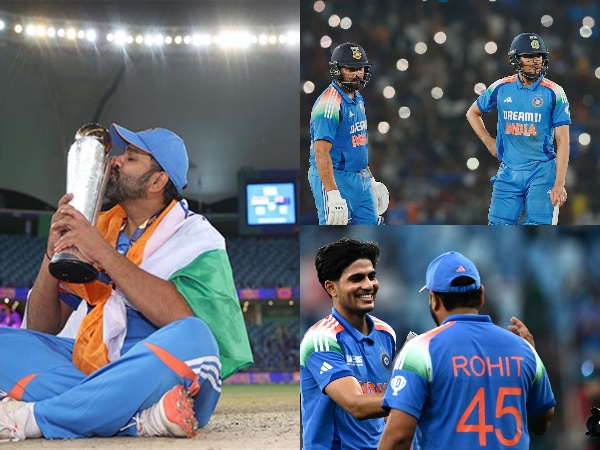
In the lead-up to selection day, it was widely expected that Rohit Sharma would continue as captain of India’s one-day international (ODI) team. Despite not playing any competitive cricket since the conclusion of IPL 2025 in June, Rohit was still considered the top choice to lead the side for the upcoming three-match ODI series in Australia this October. However, in a surprising move, chief selector Ajit Agarkar announced at a press conference in Ahmedabad on Saturday, 4 October, that Shubman Gill would replace Rohit Sharma as the India ODI captain.
Why Shubman Gill has replaced Rohit Sharma as India ODI captain?
Gill’s appointment marks a significant step in his rapid rise within Indian cricket, having already taken over the Test captaincy earlier this year. His promotion to ODI captain reflects the selectors’ vision for the future, especially with a transitional phase beginning in Indian cricket. Rohit Sharma and Virat Kohli, two of India’s senior-most players, have both been included in the 15-man squad, showing that while leadership is shifting, experience remains valued. Shreyas Iyer has also been handed a leadership role, being named the team’s new vice-captain. The squad announcement signals a blend of youth and experience as India prepares for the challenges ahead in the Australia series.
The decision to move on from Rohit Sharma as ODI captain comes midway through the four-year cycle leading to the 2027 World Cup. Despite India’s heartbreaking loss to Australia in the 2023 ODI World Cup final, Rohit retained the captaincy and went on to achieve significant success. Under his leadership, India clinched the T20 World Cup in 2024 and remained unbeaten on their way to winning the Champions Trophy earlier this year. Rohit, who became India’s full-time white-ball captain in 2021, has an impressive ODI record, winning 46 out of the 56 matches he led.
However, the selectors, in alignment with the Gautam Gambhir-led team management and the BCCI leadership, have opted to look ahead. Their decision to appoint Shubman Gill as the new ODI captain appears to be a strategic move aimed at building for the future. By handing Gill the leadership now, the panel is giving him a full two-year window to prepare for India’s campaign at the 2027 ODI World Cup, set to take place in Africa during October-November. This marks a clear transition phase in Indian cricket, as the focus begins to shift from seasoned veterans to the next generation of leaders.
Rohit Sharma, now 38, will be 40 by the time India upcoming matches heads into the 2027 ODI World Cup. While some believed he would continue as captain, others saw this as a possible end to the international careers of both Rohit and Virat Kohli, with rumours of a farewell series in Australia gaining traction. Despite this, both veterans are actively working on their comebacks—Rohit training in Mumbai under former assistant coach Abhishek Nayar, and Kohli preparing in London.
"It's a conversation between me and Rohit but of course, he's been communicated," Ajit Agarkar said.
At a brief press conference, chief selector Ajit Agarkar addressed the decision to move on from Rohit, offering little space for speculation. When questioned about the change, Agarkar highlighted the complexities of managing three different captains across formats. Shubman Gill had already taken over as Test captain in June, while Suryakumar Yadav continues to lead the T20I squad. The move signals a clear shift toward grooming younger leaders for the future.
"It's practically impossible to have three different captains for the three formats in terms of planning and consistency. At some stage, you also have to look ahead to the next World Cup," stated chief selector Ajit Agarkar.
"Yes, the immediate focus has been on the T20 World Cup, but gradually we will shift attention to ODIs. The plan is to give the new captain as much time as possible with the games we do have. Having three different captains across formats is not only difficult for the selectors but also makes it challenging for the coach to plan effectively with three different leaders," he added.