
BCCI officials likely to boycott the India vs Pakistan Asia Cup 2025 final? Check details
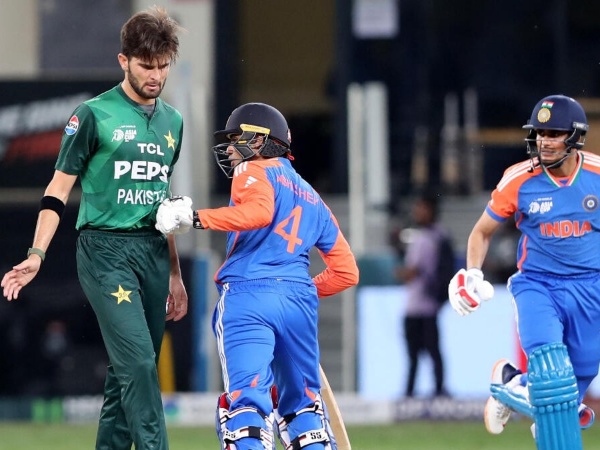
The Board of Control for Cricket in India (BCCI) has maintained what many are calling an "invisible boycott" throughout the ongoing Asia Cup 2025 in the United Arab Emirates. This approach has seen BCCI officials notably absent from matches involving Pakistan, including those featuring India vs Pakistan – fixtures that traditionally draw significant attention both on and off the field. As the tournament reaches its climax, India and Pakistan are set to face each other in a high-stakes final on Sunday, September 28, at the Dubai International Cricket Stadium. Despite the magnitude of the match and its potential to draw large crowds and global viewership, BCCI is expected to continue its silent stance.
BCCI set to stage an official boycott to the India vs Pakistan Asia Cup 2025 final
Reports suggest that no BCCI official will attend the final, underscoring the board's decision to limit engagement with Pakistan in international cricket beyond mandated fixtures. This low-profile policy is being interpreted as a symbolic gesture rather than a formal boycott, aimed at maintaining a political and diplomatic distance without publicly disrupting cricketing ties. The absence of Indian board members at such a major event reflects the broader complexities in Indo-Pak relations, where sports often intersect with sensitive geopolitical considerations. The decision has sparked discussions about the role of sportsmanship amid political tensions.
The BCCI’s ‘invisible boycott’ policy was first put into practice ahead of the Group A clash between India and Pakistan in the Asia Cup. Rather than cancelling the high-voltage encounter amid ongoing political tensions between the two nations, the board opted for a more subtle approach—keeping its top officials away from the public eye and media coverage. India has faced Pakistan twice so far in the tournament.
In their opening Group A match, the Men in Blue delivered a convincing performance, defeating Pakistan by seven wickets. The two sides met again in the Super Fours stage, where India once again came out on top, this time winning by six wickets. Both victories have reinforced India’s dominance in the tournament, but the continued absence of BCCI officials at these fixtures highlights the board’s effort to navigate diplomatic sensitivities while allowing cricketing action to unfold uninterrupted on the field.
Suryakumar Yadav may not have made a significant impact with the bat in the Asia Cup so far, but he has impressed with his leadership, guiding a young and relatively inexperienced Indian side to the final. Among the standout performers for India, Abhishek Sharma has been a revelation at the top of the order. The young left-hander has scored three half-centuries in six matches, showcasing consistency and flair. On the bowling front, Kuldeep Yadav has been nothing short of sensational.
The left-arm wrist-spinner is the tournament’s leading wicket-taker, with 13 scalps in six games at a remarkable average of 9.85. His control, variation, and ability to break partnerships have been crucial to India’s success. Both Abhishek and Kuldeep have also been recognized for their match-winning contributions, having earned two Player of the Match awards each.
On the other hand, Pakistan's journey to the final has been a mix of dominance and resilience. They advanced to the Super Fours with convincing victories over Oman and UAE. However, a loss to India in that stage put their campaign in jeopardy. Needing to win both of their remaining matches, Pakistan rose to the challenge, defeating Sri Lanka and Bangladesh in high-pressure encounters to book their place in the summit clash.
Pakistan will be counting on Sahibzada Farhan to deliver with the bat in the final. The right-hander played a crucial knock in their previous encounter against India, scoring a composed half-century that held the innings together. His ability to anchor the innings and build partnerships will be vital in a high-pressure clash. In the bowling department, Shaheen Afridi remains Pakistan’s key weapon. The left-arm pacer was outstanding in their last match against Bangladesh, earning the Player of the Match award for his fiery spell.