
Asia Cup 2025: Amit Mishra gives a brutal reply to Mohammad Yousuf
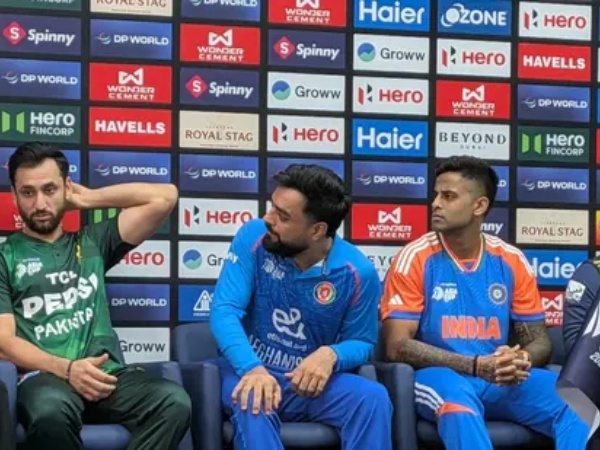
Former Indian leg-spinner Amit Mishra strongly criticized ex-Pakistan batter Mohammad Yousuf for making a derogatory remark aimed at India’s T20I captain Suryakumar Yadav. Mishra accused Yousuf of stooping to a new low, further inflaming tensions between the two cricketing nations. Relations between India and Pakistan have been particularly strained following the April 22 terror attack in Pahalgam, where 26 tourists lost their lives in an assault carried out by Pakistan-sponsored militants. In the lead-up to the high-stakes Asia Cup clash in Dubai, there were growing calls from sections of the Indian public to boycott the fixture altogether.
Asia Cup 2025: Amit Mishra tags Mohammad Yousuf as 'uneducated' after his offensive comments on Suryakumar Yadav
Despite the political and emotional backdrop, the match went ahead as scheduled on Sunday, but not without controversy. India outplayed Pakistan with a commanding seven-wicket victory, and what followed added fuel to the fire. In a break from cricketing convention, Suryakumar Yadav and his teammates chose not to shake hands with the Pakistani players after the match—an intentional move interpreted as a strong message. In response, Pakistan opted out of the post-match presentation ceremony entirely, escalating the off-field tensions. The incident further deepened the divide between the two sides, turning a cricket match into a political and symbolic flashpoint.
"I strongly support Team India and the management's decision to maintain a professional stance without displaying any gestures of friendship. By playing the match against Pakistan, they have shown respect for the spirit of the game," stated former Indian cricketer Amit Mishra.
The Asia Cup 2025 handshake controversy took a sharper turn after the Pakistan Cricket Board (PCB) officially filed a complaint against match referee Andy Pycroft. The PCB accused him of breaching the ICC Code of Conduct and violating the MCC’s laws related to the spirit of cricket, claiming his handling of the India-Pakistan toss incident was biased. However, the International Cricket Council (ICC) firmly rejected the appeal, refusing to take action against Pycroft.
The issue also sparked a wave of reactions from former cricketers. Several ex-Pakistan players criticized Suryakumar Yadav and the Indian team for breaking from the long-standing tradition of shaking hands post-match. However, former Pakistan batter Mohammad Yousuf drew strong condemnation after going beyond criticism during a televised panel discussion on Samaa TV. In a clear show of disrespect, Yousuf repeatedly referred to the Indian T20I captain as "Suarkumar"—a derogatory play on words—and accused India of manipulating umpires to their advantage.
In response, former India spinner Amit Mishra delivered a sharp rebuke, condemning Yousuf’s remarks as vile and uncalled for. Mishra argued that such language only exposes the mindset of those making the comments and urged fans and media alike to stop giving attention to individuals who resort to personal attacks over constructive debate.
"This shows how uneducated they are. Despite being a Test cricketer, he is making such remarks. They just speak nonsense. They have done it in the past and will continue to do it. What else do they have left? They complained about the match referee. It was India's decision not to shake hands. But India respected the sport. We should not listen to such people," Mishra added.
On Tuesday evening, Mohammad Yousuf took to X to clarify his stance on the controversy surrounding his remarks about Suryakumar Yadav. However, his statement stopped short of a direct apology. Instead of addressing the derogatory term he used, Yousuf appeared to distance himself from the comment without fully retracting it. In an attempt to justify his position, he referenced a past statement made by former Indian all-rounder Irfan Pathan about ex-Pakistan captain Shahid Afridi, recalling an old interview incident. The move was seen by many as an attempt to deflect criticism rather than take responsibility. His clarification has done little to ease tensions, with critics pointing out that it lacked sincerity and failed to address the core of the issue.